
In an era marked by rapid urbanization and environmental challenges, the need for sustainable living solutions has never been more pressing. As industries strive to reduce their carbon footprints and promote eco-friendly practices, prefabricated buildings have emerged as a viable alternative to traditional construction methods. Lida Group, a leader in the prefabricated building sector, is at the forefront of this movement, offering innovative solutions that combine sustainability with functionality. This article explores the principles of sustainable living, the benefits of Lida Group’s prefabricated buildings, and their applications in creating a greener future.
Understanding Sustainable Living
What Is Sustainable Living?
Sustainable living refers to a lifestyle that minimizes an individual’s or society’s use of the Earth’s natural resources. It encompasses practices that reduce environmental impact, promote conservation, and support the well-being of future generations. Sustainable living can manifest in various forms, from energy-efficient homes to sustainable transportation and responsible consumption.
Key Principles of Sustainable Living
- Resource Efficiency: Using resources—such as water, energy, and materials—efficiently to minimize waste and environmental impact.
- Renewable Energy: Utilizing renewable energy sources, such as solar, wind, and hydropower, to reduce reliance on fossil fuels.
- Waste Reduction: Implementing practices that reduce waste generation and promote recycling and composting.
- Sustainable Materials: Choosing materials that are sustainably sourced, recyclable, and have low environmental impact.
- Biodiversity Preservation: Supporting practices that protect ecosystems, wildlife, and natural habitats.
Lida Group’s Commitment to Sustainability
Lida Group is dedicated to promoting sustainable living through its innovative prefabricated building solutions. By integrating sustainable practices into their design and construction processes, Lida Group aims to create buildings that not only meet the needs of today’s occupants but also contribute to a healthier planet.
1. Eco-Friendly Materials
Lida Group prioritizes the use of sustainable materials in its prefabricated buildings:
- Recycled Materials: Many components of Lida Group’s buildings are made from recycled materials, reducing the demand for new resources and minimizing waste.
- Sustainable Sourcing: Lida Group ensures that the materials used in their constructions come from sustainable sources, helping to preserve natural ecosystems and reduce environmental degradation.
2. Energy Efficiency
Energy efficiency is a core aspect of Lida Group’s prefabricated buildings:
- High-Quality Insulation: Effective insulation in walls, roofs, and floors helps regulate indoor temperatures, reducing the need for heating and cooling and lowering energy consumption.
- Energy-Efficient Appliances: Lida Group incorporates energy-efficient appliances and systems in their buildings, further minimizing energy use.
3. Renewable Energy Integration
Lida Group actively promotes the use of renewable energy in its prefabricated buildings:
- Solar Panels: Many of Lida Group’s designs can accommodate solar panels, allowing buildings to generate their own electricity and reduce reliance on fossil fuels.
- Sustainable Heating and Cooling: Options such as geothermal heating and cooling systems can be integrated into the design, providing efficient climate control with minimal environmental impact.
4. Waste Reduction Practices
Lida Group implements strategies for waste reduction throughout the construction process:
- Prefabrication: By manufacturing components in a controlled factory environment, Lida Group minimizes waste generation compared to traditional on-site construction.
- Recycling Initiatives: Lida Group promotes recycling initiatives for any waste generated during the construction process, further reducing environmental impact.
Benefits of Lida Group’s Prefabricated Buildings
1. Quick Construction
One of the most significant advantages of Lida Group’s prefabricated buildings is the speed of construction:
- Reduced Build Time: Prefabricated components can be manufactured concurrently with site preparation, allowing for rapid assembly on-site.
- Faster Occupancy: The quick construction timeline enables businesses to occupy the buildings sooner, leading to increased productivity and reduced downtime.
2. Cost-Effectiveness
Lida Group’s prefabricated buildings offer several cost advantages:
- Lower Labor Costs: The streamlined construction process requires fewer labor hours compared to traditional building methods.
- Reduced Material Costs: Utilizing prefabricated components often leads to lower material waste and costs, making the overall project more budget-friendly.
3. Flexibility and Customization
Lida Group’s prefabricated buildings are highly flexible and customizable:
- Modular Designs: The modular nature of these buildings allows for easy reconfiguration and expansion based on changing needs.
- Tailored Solutions: Clients can customize their prefabricated buildings to meet specific requirements, ensuring that the final product aligns with their vision.
4. Enhanced Quality Control
Quality is a priority for Lida Group:
- Factory Production: Prefabricated components are manufactured in a controlled environment, allowing for rigorous quality checks at every stage.
- Consistent Standards: The use of standardized processes ensures that each building meets high safety and performance standards.
Applications of Lida Group’s Prefabricated Buildings
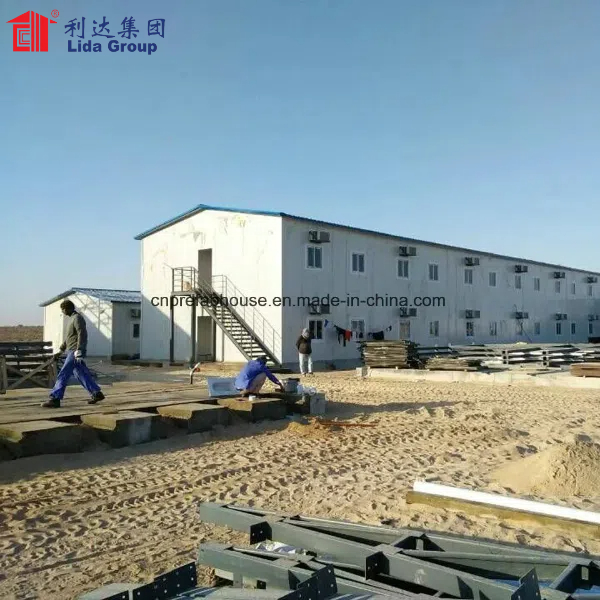
1. Labor Camps
Lida Group’s prefabricated buildings are ideal for labor camps in various industries:
- Comfortable Living Quarters: These buildings can be designed to provide comfortable living conditions for workers, including individual units, kitchens, and communal spaces.
- Rapid Deployment: The quick assembly of prefab buildings allows for immediate accommodation of workers in remote locations.
2. Educational Facilities
Prefabricated buildings can serve as temporary or permanent educational facilities:
- Classrooms and Offices: Lida Group can create flexible classroom spaces and administrative offices that meet the needs of educational institutions.
- Affordable Solutions: The cost-effectiveness of prefab buildings makes them an attractive option for schools seeking to expand or build new facilities on a budget.
3. Healthcare Facilities
The healthcare sector can benefit significantly from Lida Group’s prefabricated buildings:
- Temporary Clinics: In times of crisis, such as pandemics or natural disasters, prefab buildings can be rapidly deployed as temporary clinics or vaccination centers.
- Long-Term Facilities: Permanent healthcare facilities can also be constructed using Lida Group’s sustainable methods, ensuring that they meet the community’s needs efficiently.
4. Disaster Relief Housing
Lida Group’s prefabricated buildings play a vital role in disaster relief efforts:
- Rapid Response: After a natural disaster, prefab buildings can be quickly assembled to provide temporary housing for displaced individuals and families.
- Customizable Shelters: These structures can be tailored to meet the specific needs of affected communities, providing safe and secure living conditions.
Case Studies: Successful Implementations
Case Study 1: Worker Accommodation for Construction
Challenge: A large construction company required a labor camp to house workers on a major infrastructure project.
Solution: Lida Group provided prefabricated buildings designed with modern amenities, including kitchens, bathrooms, and recreational areas.
Outcome: The project was completed ahead of schedule, significantly improving worker satisfaction and productivity.
Case Study 2: Educational Facility Expansion
Challenge: A local school district needed to expand its facilities to accommodate a growing student population.
Solution: Lida Group delivered prefabricated classrooms that could be easily assembled on-site, providing additional space for learning.
Outcome: The new classrooms were ready for occupancy in a fraction of the time it would have taken for traditional construction, allowing the school to meet its needs promptly.
Case Study 3: Disaster Relief Housing
Challenge: Following a devastating hurricane, a community needed immediate housing solutions for displaced families.
Solution: Lida Group rapidly deployed prefabricated homes that were designed to withstand harsh weather conditions.
Outcome: The quick response provided safe shelter for families, significantly aiding in the recovery process after the disaster.
The Future of Prefabricated Buildings
Trends Shaping the Industry
The future of prefabricated buildings will be shaped by several key trends:
1. Increased Demand for Sustainable Solutions
As environmental awareness continues to grow, the demand for sustainable building practices will rise:
- Eco-Friendly Materials: Construction companies will increasingly prioritize the use of sustainable materials and processes.
- Government Regulations: Stricter regulations on environmental impact will drive the adoption of sustainable building practices.
2. Technological Advancements
Technological innovations will enhance the efficiency and effectiveness of prefabricated buildings:
- Smart Building Technologies: The integration of IoT devices will enable real-time monitoring of energy use and environmental conditions.
- Automation: Advances in automation technologies will streamline the manufacturing process, improving efficiency and reducing costs.
3. Customization and Modularity
The demand for customizable and modular designs will continue to grow:
- Flexible Solutions: Businesses and organizations will seek buildings that can adapt to changing requirements, ensuring long-term viability.
- Rapid Deployment: The need for quick construction solutions will drive the continued popularity of prefabricated buildings.
Commitment to Innovation
Lida Group remains dedicated to innovation in the prefabricated building sector:
- Research and Development: Continuous investment in R&D ensures that Lida Group stays at the forefront of technological advancements in sustainable construction.
- Client Collaboration: By working closely with clients, Lida Group can develop tailored solutions that meet specific operational requirements and sustainability goals.
Conclusion
Lida Group‘s prefabricated buildings represent a significant advancement in the pursuit of sustainable living solutions. Their focus on eco-friendly materials, energy efficiency, and rapid deployment makes them an ideal choice for various applications, from labor camps to educational facilities and disaster relief housing.
As the demand for sustainable and efficient building solutions continues to grow, Lida Group is well-positioned to lead the way in creating innovative, high-quality prefabricated buildings. The future of construction is promising, with the potential for further advancements in technology and sustainability.
In an era where environmental responsibility is paramount, Lida Group’s commitment to sustainable practices ensures that their prefabricated buildings contribute positively to the well-being of communities and the planet. The journey toward a more sustainable future in housing is just beginning, and Lida Group is at the forefront of this important movement.
Contact Us
Post time: Jun-05-2025