
Introduction
The modern construction landscape is evolving rapidly, driven by technological advancements and the need for efficient, versatile building solutions. Among the leaders in this domain, Lida Group stands out with its innovative approach to prefabricated structures. This article delves into the concept of large span steel frame structures, focusing on the multi-usage prefabricated hi-rise workshop buildings developed by Lida Group. We will explore their design, construction techniques, benefits, and applications, underscoring how these structures are shaping the future of industrial buildings.
Understanding Large Span Steel Frame Structures
What Is a Large Span Steel Frame Structure?
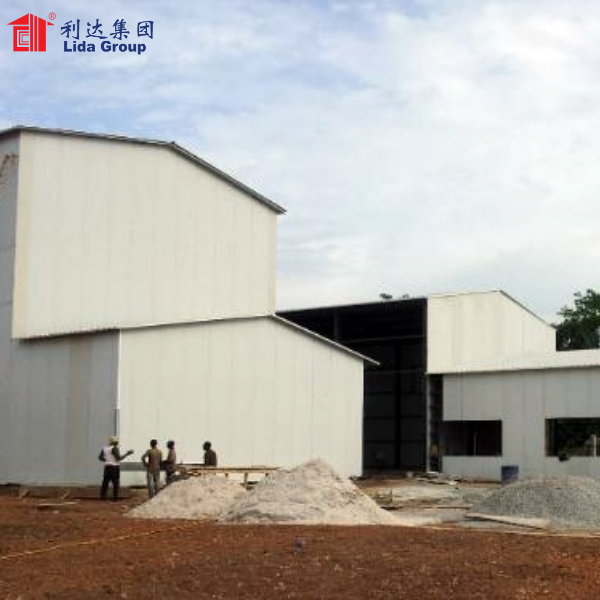
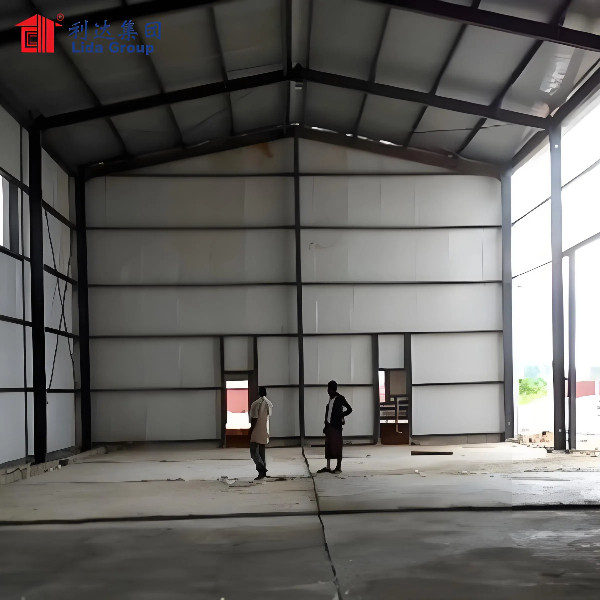
A large span steel frame structure is characterized by its ability to cover vast areas without the need for internal columns or supports. This design maximizes usable space and flexibility, making it ideal for various applications, including workshops, warehouses, and commercial buildings.
Key Features of Steel Frame Structures
- Strength and Durability: Steel is known for its high strength-to-weight ratio, allowing for substantial load-bearing capabilities.
- Design Flexibility: The ability to create open spaces without columns enables versatile layouts.
- Rapid Construction: Prefabrication of steel components allows for quicker assembly on-site, reducing overall project timelines.
- Sustainability: Steel is recyclable, promoting eco-friendly construction practices.
Lida Group’s Approach to Prefabricated Hi-Rise Workshops
1. Innovative Design Principles
Lida Group employs state-of-the-art design principles to create functional and aesthetically pleasing structures.
a. Modular Design
The use of modular design in Lida Group’s workshops allows for easy customization and expansion. Each module can serve different functions, making the building adaptable to various needs.
b. Advanced Engineering Techniques
Lida Group utilizes advanced engineering software to optimize structural integrity and performance. This ensures that the buildings can withstand environmental stresses while maintaining safety standards.
2. Prefabrication Process
The prefabrication process is a hallmark of Lida Group’s construction methodology.
a. Off-Site Manufacturing
Components of the building are manufactured off-site in a controlled environment. This process minimizes waste and ensures high-quality production standards.
b. Efficient Assembly
Once the components arrive at the construction site, assembly is rapid and straightforward. This efficiency significantly reduces labor costs and project timelines.
3. Multi-Usage Functionality
Lida Group’s hi-rise workshop buildings are designed for multi-usage, catering to diverse industries.
a. Industrial Applications
These structures can house manufacturing facilities, assembly lines, and storage areas, providing flexibility for various industrial processes.
b. Commercial Use
In addition to industrial applications, these buildings can be adapted for commercial purposes, such as retail spaces, offices, and exhibition halls.
Benefits of Multi-Usage Prefabricated Hi-Rise Workshop Buildings
1. Cost-Effectiveness
One of the primary advantages of prefabricated buildings is their cost efficiency.
a. Reduced Labor Costs
The streamlined assembly process requires fewer labor hours on-site, translating to lower labor costs for construction companies.
b. Lower Material Costs
Prefabrication allows for bulk purchasing of materials, often resulting in reduced costs per unit.
2. Time Savings
Speed is a critical factor in construction, and Lida Group’s prefabricated buildings excel in this regard.
a. Shorter Construction Timeframes
With off-site manufacturing and efficient assembly, projects can be completed in significantly less time compared to traditional construction methods.
b. Quick Occupancy
Faster completion times enable businesses to occupy the space sooner, leading to quicker returns on investment.
3. Enhanced Quality Control
The prefabrication process allows for rigorous quality control measures.
a. Consistent Manufacturing Standards
Components are produced in a controlled environment, ensuring consistency in quality and reducing the likelihood of defects.
b. Compliance with Regulations
Lida Group adheres to all relevant building codes and standards, ensuring that structures are safe and compliant.
Applications of Hi-Rise Workshop Buildings
1. Manufacturing Facilities
The versatility of Lida Group’s hi-rise workshop buildings makes them ideal for manufacturing environments.
a. Assembly Lines
Large open spaces facilitate the setup of assembly lines, enhancing operational efficiency.
b. Equipment Storage
The design allows for ample storage space for machinery and materials, optimizing workflow.
2. Warehousing Solutions
The expansive floor plans of these buildings are perfect for warehousing operations.
a. Distribution Centers
The ability to accommodate large volumes of inventory makes these structures suitable for distribution centers, improving logistics and supply chain management.
b. Cold Storage Facilities
Lida Group can customize buildings for cold storage applications, catering to industries that require temperature-controlled environments.
3. Commercial Spaces
Beyond industrial uses, these buildings can be transformed into commercial spaces.
a. Retail Outlets
The open layout allows for flexible retail designs, accommodating various store formats.
b. Office Spaces
Multi-usage buildings can include office spaces, fostering collaboration and innovation within industrial settings.
Sustainability in Prefabricated Construction
1. Eco-Friendly Materials
Lida Group prioritizes the use of sustainable materials in its construction processes.
a. Recyclable Steel
Steel is not only durable but also recyclable, contributing to a circular economy and reducing waste.
b. Low-VOC Finishes
Using low-VOC (volatile organic compounds) finishes promotes healthier indoor air quality, benefiting occupants.
2. Energy Efficiency
Incorporating energy-efficient systems is a key focus for Lida Group.
a. Insulation and Thermal Performance
High-quality insulation materials enhance thermal performance, reducing energy consumption for heating and cooling.
b. Renewable Energy Integration
Lida Group explores options for integrating renewable energy sources, such as solar panels, into their building designs.
Future Trends in Prefabricated Hi-Rise Construction
1. Smart Building Technologies
The integration of smart technologies is shaping the future of construction.
a. IoT Integration
Smart sensors and IoT devices can be incorporated into buildings to monitor energy usage, security, and environmental conditions.
b. Automated Systems
Automation technologies can streamline operations within the building, enhancing efficiency and reducing labor costs.
2. Increased Customization
As client needs evolve, the demand for customized solutions will grow.
a. Tailored Designs
Lida Group is committed to offering tailored designs that meet the specific requirements of different industries.
b. Flexible Space Configurations
Future buildings will likely incorporate more flexible space configurations to adapt to changing business needs.
Challenges in Prefabricated Construction
1. Logistics and Transportation
Transporting large prefabricated components to construction sites can pose logistical challenges.
a. Route Planning
Effective route planning is essential to ensure that components arrive safely and on time.
b. Transportation Costs
Managing transportation costs is crucial to maintaining overall project budgets.
2. Site Preparation
Adequate site preparation is necessary to ensure successful installation of prefabricated structures.
a. Foundation Requirements
Proper foundation preparation is critical for supporting the weight of the building and its intended use.
b. Site Accessibility
Ensuring that the site is accessible for transportation and construction equipment is vital for smooth operations.
Conclusion
Lida Group’s large span steel frame structure multi-usage prefabricated hi-rise workshop buildings represent a significant advancement in the construction industry. With their innovative design, rapid construction processes, and adaptability to various applications, these buildings are well-suited to meet the demands of modern businesses.
As we look to the future, the trends in sustainability, smart technology integration, and increased customization will further enhance the value of prefabricated structures. Lida Group is poised to lead the way in this evolving market, delivering solutions that not only meet the needs of today’s industries but also contribute to a more sustainable and efficient built environment.
In summary, Lida Group’s commitment to quality, innovation, and client satisfaction positions it as a frontrunner in the realm of prefabricated construction, making it an invaluable partner for businesses looking to thrive in an ever-changing landscape.
Contact Us
Post time: Sep-18-2024