
In today’s fast-paced industrial environment, the need for efficient, cost-effective housing solutions for on-site workers has never been greater. Industries such as construction, oil and gas, mining, and emergency response require temporary accommodations that can be set up quickly and comfortably. Flat pack container houses have emerged as a practical solution to this challenge, offering flexibility, affordability, and ease of transport. This article explores the advantages of flat pack container houses, their design and construction processes, and their impact on worker living standards.
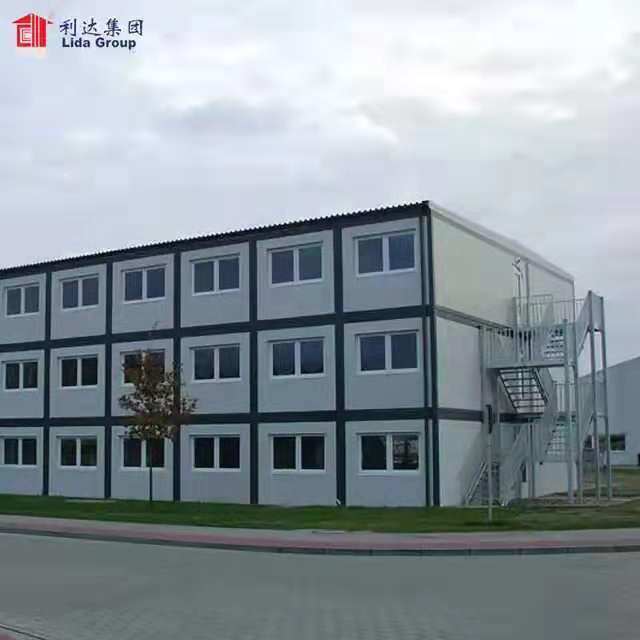
Understanding Flat Pack Container Houses
What Are Flat Pack Container Houses?
Flat pack container houses are prefabricated structures that are designed to be transported in a compact form and assembled on-site. These units are typically made from durable materials, often utilizing shipping containers or modular components that can be easily assembled into complete living spaces. The flat pack design allows for efficient shipping and reduced transportation costs, making these houses an attractive option for industries requiring temporary housing solutions.
The Need for Efficient Worker Housing
The demand for efficient housing solutions for on-site workers is driven by several factors:
- Temporary Workforce: Many industries rely on a transient workforce that moves from site to site. Providing flexible housing solutions is essential to accommodate these workers.
- Remote Locations: Many job sites are in remote areas where traditional housing construction is impractical. Flat pack container houses can be transported and set up quickly, providing immediate accommodations.
- Cost Constraints: With rising construction costs, companies are seeking affordable housing options that do not compromise on quality or comfort.
Advantages of Flat Pack Container Houses
1. Cost-Effectiveness
One of the most significant benefits of flat pack container houses is their affordability:
- Lower Construction Costs: The use of prefabricated components and bulk purchasing of materials often results in lower overall construction costs compared to traditional housing methods.
- Reduced Labor Costs: The assembly of flat pack houses typically requires fewer labor hours, leading to additional savings for companies.
- Minimized Waste: The controlled manufacturing process of flat pack units reduces material waste, contributing to cost efficiency and environmental sustainability.
2. Speed of Deployment
Flat pack container houses can be deployed quickly, making them ideal for urgent housing needs:
- Rapid Assembly: These structures can be assembled on-site in a matter of days, allowing workers to move in sooner and minimizing project delays.
- Simultaneous Processes: While the components are being fabricated, site preparation can occur simultaneously, further expediting the timeline.
3. Durability and Safety
Flat pack container houses are built to withstand harsh conditions, providing a safe living environment:
- Weather Resistance: Constructed from robust materials, these houses can endure extreme weather conditions, making them suitable for various environments.
- Fire and Pest Resistance: The materials used in flat pack designs offer resistance to fire and pests, enhancing safety for occupants.
4. Flexibility and Customization
Flat pack container houses offer a high degree of flexibility and customization:
- Modular Design: These houses can be combined in various configurations to accommodate different numbers of workers and specific project requirements.
- Tailored Solutions: Companies can customize the interior layout and amenities to meet the unique needs of their workforce, including kitchens, bathrooms, and communal areas.
5. Sustainability
Flat pack container houses contribute to sustainable construction practices:
- Repurposing Materials: Utilizing shipping containers or recycled materials helps reduce waste and the demand for new resources, contributing to environmental sustainability.
- Energy Efficiency: Many flat pack designs can be equipped with energy-efficient systems, such as solar panels and proper insulation, to minimize energy consumption.
Design and Construction of Flat Pack Container Houses
1. Planning and Design
The design phase is critical for the successful implementation of flat pack container houses:
- Needs Assessment: Understanding the specific needs of the workforce, including the number of workers and required amenities, is essential for effective planning.
- Site Analysis: Evaluating the construction site for accessibility, utilities, and environmental factors helps inform design choices.
2. Manufacturing
Once the design is finalized, the components are manufactured:
- Controlled Environment: Flat pack components are produced in a factory setting, allowing for better quality control and efficiency.
- Quality Assurance: Regular inspections during the manufacturing process ensure that all components meet established quality standards.
3. Transportation
After manufacturing, the components are transported to the construction site:
- Logistics Planning: Coordinating transportation logistics is critical to ensure timely delivery and minimize delays.
4. Assembly
Once the components arrive on-site, assembly can begin:
- Efficient Setup: Skilled labor can quickly assemble the flat pack units, allowing workers to occupy the living spaces in a fraction of the time required for traditional construction.
- Final Touches: After assembly, final touches such as interior finishes and utility connections are completed to ensure the homes are ready for occupancy.
Case Studies: Successful Implementation of Flat Pack Container Houses
Case Study 1: Construction Site in a Remote Area
Challenge: A large construction company required temporary housing for 300 workers at a remote site, needing quick and efficient accommodations.
Solution: The company opted for flat pack container houses, which were designed to include sleeping quarters, dining facilities, and recreational areas. The design emphasized worker comfort and functionality.
Outcome: The flat pack houses were assembled in just three weeks, allowing workers to move in ahead of schedule. The improved living conditions led to increased worker satisfaction and productivity, ultimately benefiting the overall project timeline.
Case Study 2: Oil and Gas Operations
Challenge: An oil and gas company sought affordable housing solutions for its workforce stationed in a remote area for an extended period.
Solution: The company used flat pack container houses designed for durability and insulation. The camp included sleeping accommodations, a dining hall, and recreational facilities, all tailored to withstand harsh environmental conditions.
Outcome: The housing solution provided safe and comfortable accommodations, resulting in positive feedback from workers regarding their living conditions. This led to lower turnover rates and improved operational efficiency.
Case Study 3: Emergency Response Housing
Challenge: Following a natural disaster, a region required immediate housing solutions for displaced workers involved in recovery efforts.
Solution: Flat pack container houses were rapidly deployed to provide essential housing for recovery workers. The units were designed for quick assembly and equipped with necessary amenities for comfortable living.
Outcome: The flat pack homes were set up within days, providing a safe and dignified living environment for recovery workers. The swift response helped restore a sense of normalcy in the affected area, demonstrating the effectiveness of flat pack housing in crisis situations.
Addressing Challenges in Flat Pack Container House Development
1. Regulatory Compliance
Navigating local building codes and regulations can be complex. Engaging with local authorities early in the planning process is essential to ensure compliance and address potential regulatory hurdles.
2. Logistics and Transportation
Transporting flat pack units to remote locations can present logistical challenges. Effective planning and coordination are critical to ensure timely delivery and assembly.
3. Community Engagement
Building flat pack container houses in remote areas requires understanding local communities. Engaging with local residents and stakeholders helps ensure acceptance and support for the project.
4. Cultural Sensitivity
Designing flat pack container houses that respect local cultures and traditions is crucial for acceptance. Collaborating with local architects and designers can ensure that the final product resonates with the community.
The Future of Flat Pack Container Houses in Labor Camps
Technological Innovations
The future of flat pack container houses will be influenced by ongoing technological advancements:
- Smart Technologies: The integration of smart technologies, such as IoT devices, can enhance the efficiency and comfort of container homes, allowing for better energy management and security features.
- Building Information Modeling (BIM): The use of BIM will improve design accuracy and collaboration, streamlining the construction process and enhancing project management.
Global Market Potential
The demand for flat pack container houses is expected to grow as industries expand into remote areas:
- Emerging Markets: Developing countries will increasingly turn to flat pack solutions to address labor housing needs, especially in remote regions.
- Crisis Response: Flat pack container houses will continue to play a crucial role in providing temporary accommodations in disaster-stricken areas, offering quick and effective solutions.
Customization and Adaptability
The ability to customize designs will ensure that flat pack container houses meet the unique needs of various industries:
- Flexible Configurations: Modular designs allow for easy modifications and expansions as workforce needs change.
- Cultural Sensitivity: Designs can be tailored to reflect local architectural styles and cultural preferences, enhancing their appeal in diverse markets.
Enhancing Worker Welfare Through Flat Pack Container House Designs
1. Improved Living Conditions
Flat pack container houses significantly enhance the quality of life for workers:
- Comfortable Accommodations: Providing private sleeping quarters, modern kitchens, and clean bathrooms creates a comfortable living environment.
- Community Spaces: Incorporating communal areas encourages social interaction and fosters a sense of community among workers.
2. Health and Safety
Health and safety are paramount in the design of flat pack container houses:
- Sanitation Facilities: Adequate restroom and sanitation facilities help prevent health issues and ensure the well-being of workers.
- Ventilation and Air Quality: Proper ventilation systems contribute to good air quality, reducing the risk of respiratory problems.
3. Economic Benefits
Investing in high-quality flat pack container houses can yield significant economic benefits for companies:
- Increased Productivity: Comfortable living conditions lead to happier workers, resulting in higher productivity levels and lower turnover rates.
- Cost Savings: While the initial investment may be higher, the long-term savings from reduced turnover and increased efficiency can outweigh the costs.
Conclusion
Flat pack container houses represent an innovative and efficient solution for providing housing for on-site workers. By combining affordability, speed of deployment, and flexibility, these structures address the unique challenges of temporary worker accommodations in various industries.
As the demand for high-quality, customizable, and sustainable housing solutions continues to rise, flat pack container houses stand at the forefront of this transformation. They not only enhance the living standards of workers but also contribute to increased productivity and overall project success.
In a world where the needs of the workforce are evolving, the adoption of flat pack container houses for labor camps is a crucial step toward ensuring that every worker has access to safe, comfortable, and efficient living spaces. By embracing the potential of flat pack housing, industries can create better living environments for their workers, ultimately fostering a more satisfied and productive workforce.
Contact Us
Post time: Mar-05-2025