
Introduction
In the bustling environments of urban areas, the demand for efficient sanitation solutions has never been higher. With increasing population density, limited space, and a growing emphasis on sustainability, container toilets have emerged as a practical and innovative solution. This article explores the rise of container toilets in urban areas, examining their design, benefits, challenges, and the broader implications for urban sanitation.
Understanding Container Toilets
What Are Container Toilets?
Container toilets are portable sanitation units constructed from repurposed shipping containers. These compact solutions provide essential restroom facilities in various settings, from public parks and festivals to construction sites and densely populated neighborhoods. Their design combines functionality with mobility, making them an ideal choice for urban environments.
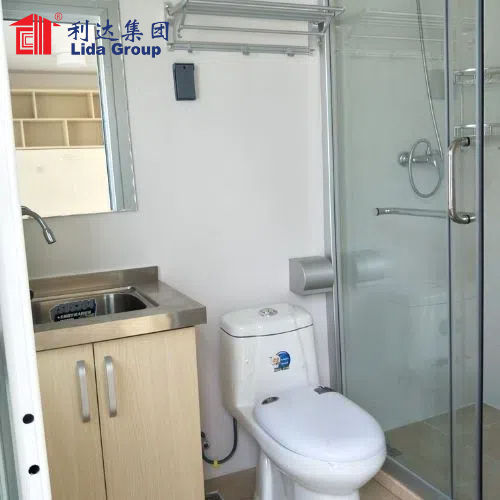
The Design and Functionality
Container toilets are designed to maximize efficiency while ensuring user comfort. Key features include:
a. Space Optimization
Container toilets utilize the limited space available in urban areas efficiently. Their compact design allows them to be installed in tight locations where traditional restrooms may not fit.
b. Modern Amenities
Unlike traditional portable toilets, many container toilets come equipped with modern amenities such as flushable toilets, running water, and proper ventilation. This enhances the user experience and promotes hygiene.
c. Sustainable Design
Many container toilets incorporate eco-friendly features, such as water-saving fixtures and waste management systems that minimize environmental impact. Some are even equipped with composting toilets, which further enhance sustainability.
The Benefits of Container Toilets
1. Hygiene and Sanitation
One of the primary benefits of container toilets is their capacity to provide hygienic sanitation solutions.
a. Reduced Health Risks
Urban areas often struggle with sanitation issues, leading to health risks associated with inadequate waste disposal. Container toilets help mitigate these risks by offering clean and accessible restroom facilities.
b. Enhanced User Experience
With features such as regular cleaning services and modern amenities, container toilets create a more pleasant experience for users compared to traditional portable options.
2. Space Efficiency
Urban environments frequently face space constraints, making container toilets an attractive option.
a. Versatile Placement
Container toilets can be placed in various urban settings, including parks, event venues, and high-traffic areas, without requiring extensive infrastructure.
b. Modular Design
Their modular nature allows for easy expansion. As demand grows, additional units can be added without significant disruptions to the existing setup.
3. Cost-Effectiveness
Container toilets can be a cost-effective solution for municipalities and businesses.
a. Lower Installation Costs
The use of existing shipping containers reduces material costs, making container toilets a more affordable option compared to traditional restroom facilities.
b. Reduced Maintenance Costs
These units often require less maintenance than conventional restrooms, further lowering long-term operational expenses.
4. Environmental Benefits
Container toilets contribute to sustainability efforts in urban areas.
a. Waste Management Solutions
Many container toilets are equipped with advanced waste management systems that reduce the environmental impact of human waste, promoting cleaner urban environments.
b. Resource Efficiency
By utilizing repurposed materials, container toilets align with principles of recycling and resource efficiency, contributing to a circular economy.
Challenges in Implementing Container Toilets
1. Regulatory Hurdles
While container toilets offer numerous advantages, they also face regulatory challenges.
a. Zoning Regulations
Different municipalities have varying zoning laws regarding the placement of sanitation facilities. Navigating these regulations can slow down the installation process.
b. Health and Safety Standards
Ensuring compliance with health and safety standards is crucial. Container toilets must meet specific requirements to guarantee user safety and hygiene.
2. Public Perception
Public perception can pose challenges for the acceptance of container toilets.
a. Stigma Around Portable Toilets
Despite their modern design, container toilets may still be associated with traditional portable toilets, leading to resistance from the public.
b. Aesthetic Concerns
Some individuals may view container toilets as unsightly or disruptive to the urban landscape. Engaging with communities and emphasizing design improvements can help address these concerns.
Case Studies: Successful Implementations
1. Urban Parks
In many cities, container toilets have been successfully integrated into urban parks, offering accessible sanitation solutions for visitors.
- Implementation: Cities have installed container toilets in strategic locations within parks to accommodate increased foot traffic.
- Outcome: Enhanced visitor experience and improved public health outcomes, as visitors have access to clean and convenient restrooms.
2. Festivals and Events
During large public events, container toilets have become a staple, providing necessary facilities for attendees.
- Implementation: Event organizers have opted for container toilets to ensure adequate sanitation for large crowds.
- Outcome: Improved attendee satisfaction and reduced health risks associated with inadequate restroom facilities.
3. Construction Sites
On construction sites, container toilets offer a practical solution for workers’ sanitation needs.
- Implementation: Container toilets are placed at construction sites to provide workers with convenient access to restroom facilities.
- Outcome: Increased worker productivity and enhanced safety, as proper sanitation helps prevent health issues.
The Future of Container Toilets in Urban Areas
1. Technological Advancements
As urban areas continue to evolve, container toilets are expected to benefit from technological innovations.
a. Smart Sanitation Solutions
The integration of smart technology, such as sensors for monitoring waste levels and water usage, can enhance the efficiency and sustainability of container toilets.
b. Enhanced User Experience
Future designs may incorporate features such as automated cleaning systems and advanced ventilation to improve user comfort and hygiene.
2. Expansion into New Markets
Container toilets are poised to expand into new markets beyond urban areas.
a. Developing Regions
In developing countries, container toilets can provide cost-effective sanitation solutions in areas lacking traditional infrastructure.
b. Disaster Relief Efforts
Container toilets can also play a crucial role in disaster relief efforts, providing immediate sanitation solutions in affected areas.
3. Community Engagement
Engaging with communities is vital for the successful implementation of container toilets.
a. Public Awareness Campaigns
Raising awareness about the benefits of container toilets can help shift public perception and increase acceptance.
b. Collaborative Planning
Involving community members in the planning and design process can lead to more tailored solutions that meet local needs.
Conclusion
The rise of container toilets in urban areas represents a significant advancement in sanitation solutions. By providing compact, efficient, and environmentally friendly restroom facilities, these innovative units address the pressing challenges of urban sanitation.
As cities continue to grow and evolve, container toilets offer a practical response to the increasing demand for accessible and hygienic facilities. With ongoing technological advancements and community engagement, the future of container toilets looks promising, paving the way for cleaner, healthier urban environments. Through thoughtful implementation and design, container toilets can transform the urban landscape, ensuring that sanitation keeps pace with the needs of urban populations.
Contact Us
Post time: Sep-19-2024